
The holiday table where the turkey gets all the attention but the sides are what everyone actually remembers. The cookout where the burgers are fine but the cornbread is the thing people talk about on the drive home. The family gathering where someone’s aunt brings the same dish every year and it is the only thing that gets scraped clean. Side dishes are the supporting players that quietly steal the show, and they deserve more credit than they get.
The problem with most side dish recipes is that they are treated as an afterthought. A bag of frozen vegetables, a box of instant potatoes, a can of cranberry sauce dumped into a bowl. Even the homemade versions often fall flat because the recipe was written to be fast rather than good. Cornbread that tastes like cake, coleslaw that is drowning in mayonnaise, mashed potatoes that are gluey and bland. The details that make these dishes memorable are the ones most recipes leave out.
These five side dishes are the ones that earn their place at the table. They come from the East Tennessee cooking tradition that shaped the Parton family table, the kind of food that shows up at Thanksgiving, summer cookouts, and Sunday suppers across the South. One is a three-ingredient skillet cornbread with no sugar. One is a coleslaw that gets its tang from an unexpected ingredient. Every one of them has a reason to exist beyond filling a spot on the plate. They are the dishes people ask you to bring back next year.
1. Dolly’s Signature Skillet Cornbread
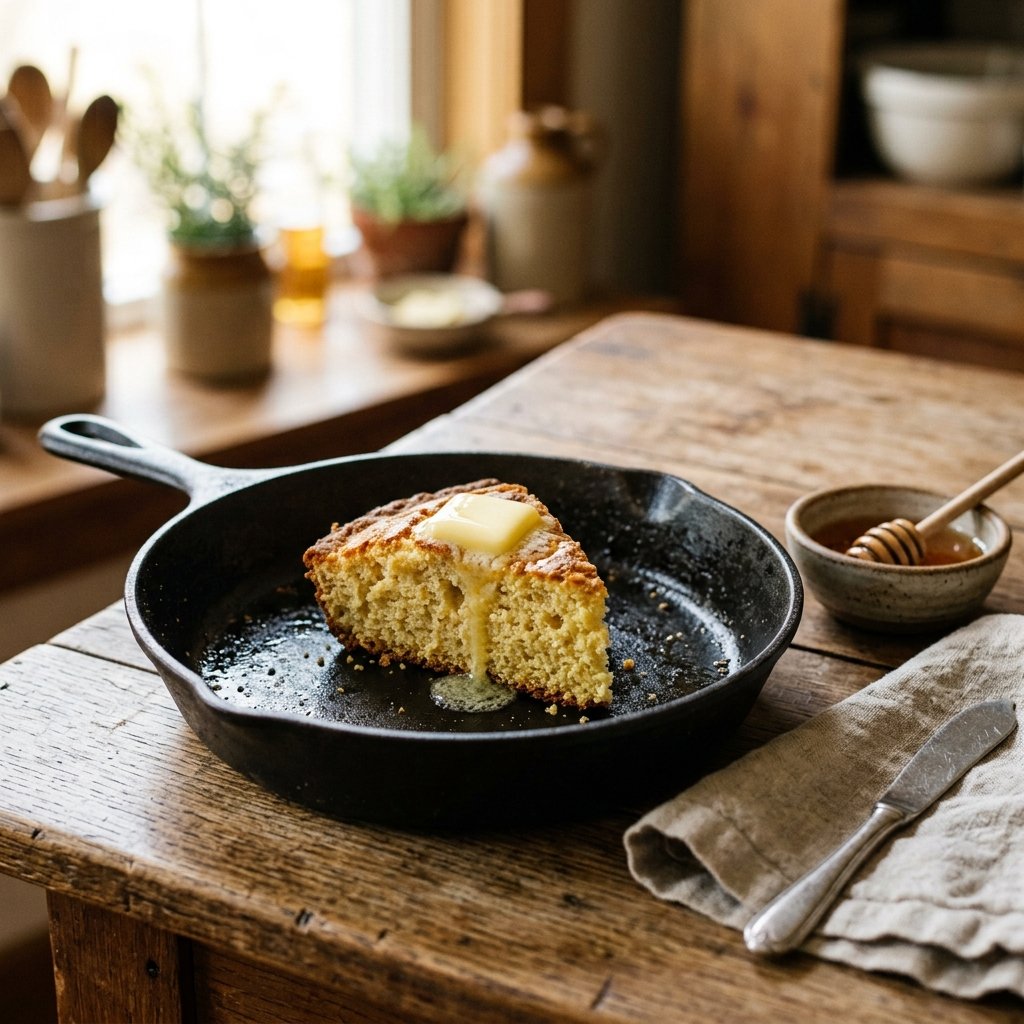
This is the cornbread that starts with bacon drippings in a hot cast-iron skillet and ends with a crust so crisp you can hear it when you cut into it. It has no sugar. It is not supposed to. This is the kind of cornbread that shows up beside a bowl of pinto beans and a mess of greens, and it is the kind of cornbread that people from outside the South sometimes do not understand until they taste it.
Here is the part I would not skip. The skillet has to be screaming hot before the batter goes in. The bacon drippings should be shimmering and just starting to smoke. If the skillet is not hot enough, the cornbread will not get that signature crust and it will taste flat. This is the difference between good cornbread and cornbread worth remembering.
One thing most recipe cards leave out is that the cornmeal matters. Stone-ground coarse cornmeal gives the bread its texture and its slightly nutty flavor. Fine cornmeal or self-rising cornmeal blends make a cornbread that is closer to cake than to the real thing. If you can find a coarse stone-ground cornmeal at your grocery store, use it.
Prep: 10 minutes Cook: 25 minutes Total: 35 minutes Serves: 8 Difficulty: Easy
Ingredients
- 2 cups coarse stone-ground cornmeal
- 1 teaspoon baking soda
- 1 teaspoon salt
- 2 cups whole buttermilk, at room temperature
- 2 large eggs, at room temperature
- 4 tablespoons bacon drippings, divided
Instructions
Preheat the oven to 425°F. Place a 10-inch cast-iron skillet in the oven with 2 tablespoons of the bacon drippings and let it heat for 10 minutes while the oven comes to temperature.
In a large bowl, whisk together the cornmeal, baking soda, and salt. In a separate bowl, whisk the buttermilk and eggs together until smooth. Pour the wet ingredients into the dry and stir until just combined. The batter should be thin and pourable, like pancake batter. Do not overmix.
Carefully remove the hot skillet from the oven. Pour the remaining 2 tablespoons of bacon drippings into the batter and stir quickly to combine. Pour the batter into the hot skillet. It should sizzle and start to set at the edges immediately. Return the skillet to the oven and bake for 22 to 25 minutes until the top is golden brown and a toothpick inserted into the center comes out clean.
Let the cornbread cool in the skillet for 5 minutes before slicing into wedges. Serve warm with butter and honey.
Tips & Things That Go Wrong
The cornbread can stick to the skillet if it is not properly seasoned or if there is not enough fat. Use a well-seasoned cast-iron skillet and do not skimp on the bacon drippings. The cornbread can be dry if it is overbaked. Pull it at 22 minutes and check with a toothpick. If you do not have bacon drippings, use melted butter or vegetable oil, but the flavor will be different. The skillet must be hot when the batter goes in. If it is not, the crust will not form.
Substitutions
Use vegetable oil or melted butter instead of bacon drippings for a vegetarian version. The flavor will be less smoky but still good. If you do not have buttermilk, combine 2 cups of whole milk with 2 tablespoons of lemon juice and let it sit for 5 minutes. Do not use low-fat buttermilk; the fat is needed for the texture.
Storage & Reheating
This keeps in an airtight container at room temperature for 2 days or in the refrigerator for up to 5 days. Reheat individual wedges in a toaster oven or in a skillet with a little butter. The microwave makes it rubbery. Leftover cornbread is excellent crumbled into a bowl with buttermilk or used as the base for cornbread dressing.
Approximate Nutrition Per Wedge: 230 calories, 6g protein, 32g carbs, 8g fat, 2g fiber
Get the skillet screaming hot before the batter goes in. The bacon drippings should be shimmering and just starting to smoke. That is what gives the cornbread its signature crust.
2. Southern Corn Pudding
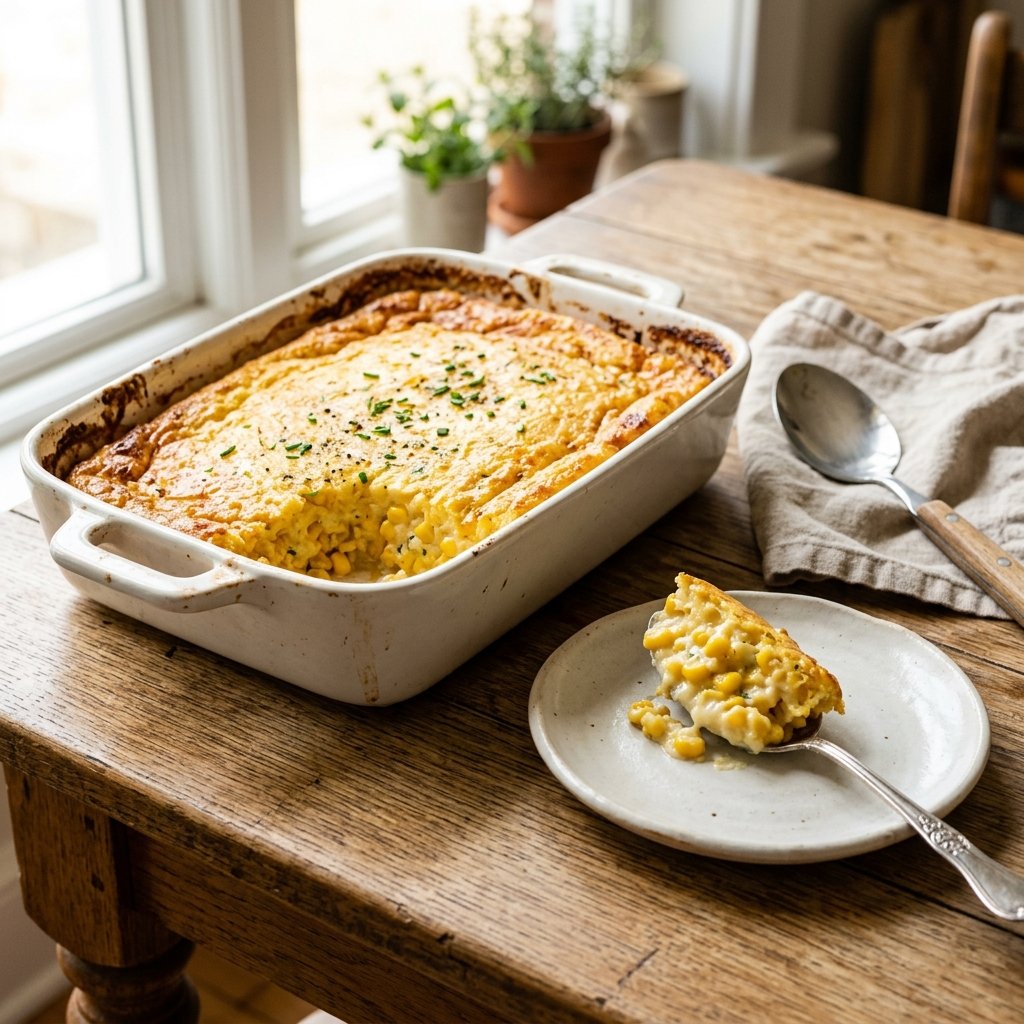
Corn pudding is the side dish that shows up at every Southern holiday table and disappears before the turkey gets carved. It is soft, custardy, and slightly sweet from the corn, with a golden crust on top that gives it just enough texture. It is the kind of dish that people who have never had it cannot quite identify, but they always ask for the recipe.
The version that actually works in a real kitchen is the one that uses frozen corn and a simple cornbread base. Fresh corn is wonderful in the summer, but frozen corn is sweeter and more consistent, and it holds up better in the custard. The cornbread base gives the pudding structure without turning it into a casserole.
This is where the texture changes. The pudding should be soft and slightly jiggly in the center, not firm and sliceable. If it is fully set when you pull it out of the oven, it is overcooked. The residual heat will finish the cooking as it rests on the counter.
Prep: 10 minutes Cook: 45 minutes Total: 55 minutes Serves: 8 Difficulty: Easy
Ingredients
- 1 bag frozen corn kernels (16 ounces), thawed
- 1 cup cornbread mix
- ½ cup unsalted butter, melted
- 1 cup whole milk
- 4 large eggs
- ½ cup granulated sugar
- 1 teaspoon salt
- ½ teaspoon freshly grated nutmeg
Instructions
Preheat the oven to 350°F and grease a 9×9-inch baking dish. In a large bowl, whisk together the cornbread mix, melted butter, milk, eggs, sugar, salt, and nutmeg until smooth. Fold in the thawed corn kernels.
Pour the mixture into the prepared baking dish and smooth the top with a spatula. Bake for 40 to 45 minutes until the top is golden brown and the center is set but still slightly jiggly. The pudding should puff slightly and have a soft, custardy texture.
Let the pudding rest for 10 minutes before serving. It will deflate slightly as it cools, which is normal.
Tips & Things That Go Wrong
The pudding can be too soft if the corn is not drained properly. If using frozen corn, thaw it completely and drain any excess liquid. The pudding can be dry if it is overbaked. Pull it out when the center is still slightly jiggly. The top can brown too fast if the oven is too hot. Tent it loosely with foil if the top is getting dark. The sugar can be reduced to ⅓ cup if you prefer a less sweet pudding.
Substitutions
Use fresh corn cut off the cob in the summer. Use a homemade cornbread mix if you prefer. For a dairy-free version, use plant milk and dairy-free butter. For a gluten-free version, use a gluten-free cornbread mix.
Storage & Reheating
This keeps in the refrigerator for 4 days. Reheat individual portions in the microwave for 30 seconds or in the oven at 350°F for 10 minutes. The pudding is best fresh but holds up well. Do not freeze; the custard becomes watery on thawing.
Approximate Nutrition Per Serving: 320 calories, 7g protein, 38g carbs, 16g fat, 2g fiber
Pull the pudding out when the center is still slightly jiggly. It finishes setting as it rests. If you wait until it looks fully done, it will be dry and rubbery.
3. Holiday Mashed Potatoes
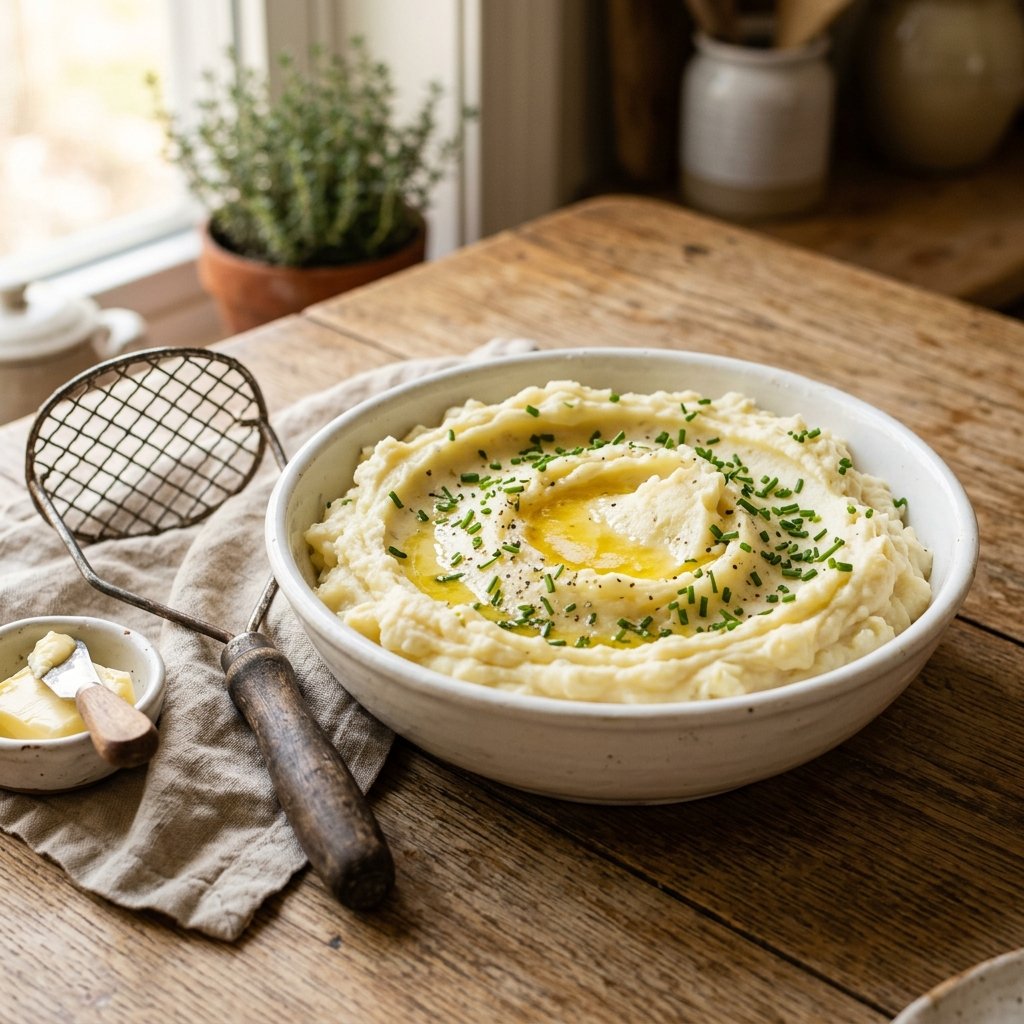
Mashed potatoes are the one side dish that everyone claims to know how to make and almost no one makes well. They come out gluey, watery, or bland. The fix is simple and it does not involve a ricer or a food mill. It is about the kind of potato, the order of the ingredients, and a light hand with the mashing.
Here is the part I would not skip. Use Yukon Gold potatoes, not Russets. Russets are for baking and frying. Yukon Golds have a buttery, creamy texture that makes mashed potatoes taste like mashed potatoes. Peel them, cut them into even chunks, and boil them in heavily salted water until a knife slides in with no resistance.
One thing most recipe cards leave out is that the butter and milk should be warm before they go into the potatoes. Cold butter and cold milk cool the potatoes down and make them seize up. Warm them in a small saucepan or in the microwave before adding them. The result is a smoother, richer mash.
Prep: 15 minutes Cook: 25 minutes Total: 40 minutes Serves: 8 Difficulty: Easy
Ingredients
- 3 pounds Yukon Gold potatoes, peeled and cut into 1-inch chunks
- 1 tablespoon salt, for the boiling water
- ½ cup unsalted butter, plus more for serving
- 1 cup whole milk, warmed
- ½ cup sour cream
- 1 teaspoon salt
- ½ teaspoon black pepper
- Chopped chives for garnish
Instructions
Place the potato chunks in a large pot and cover with cold water by 2 inches. Add the tablespoon of salt. Bring to a boil over high heat, then reduce to a simmer and cook for 20 to 25 minutes until a knife slides into the potatoes with no resistance.
Drain the potatoes and return them to the pot. Place the pot over low heat for 1 minute to dry the potatoes slightly. This removes excess moisture and makes the mash fluffier. Add the butter and let it melt into the hot potatoes.
Mash the potatoes with a potato masher or a fork until they are mostly smooth. Add the warm milk, sour cream, salt, and pepper. Stir gently with a wooden spoon until just combined. Do not overwork the potatoes or they will become gluey. Taste and adjust the seasoning. Serve warm with extra butter and chives.
Tips & Things That Go Wrong
The potatoes can become gluey if they are overmashed or if they are processed in a blender or food processor. Use a hand masher or a ricer and stop when the potatoes are mostly smooth. The potatoes can be watery if they are not drained properly. Let them sit in the colander for a minute before returning them to the pot. Warm the milk and butter before adding them. Cold dairy makes the potatoes seize.
Substitutions
Use Russet potatoes if you prefer a lighter, fluffier mash. Add ½ cup of cream cheese for an even richer version. For a dairy-free version, use plant milk, dairy-free butter, and dairy-free sour cream. Add roasted garlic or horseradish for a different flavor.
Storage & Reheating
This keeps in the refrigerator for 3 days. Reheat in a saucepan over low heat with a splash of milk, stirring gently. The microwave works in a pinch. Do not freeze; the texture changes on thawing.
Approximate Nutrition Per Serving: 280 calories, 5g protein, 32g carbs, 15g fat, 3g fiber
Warm the butter and milk before adding them to the potatoes. Cold dairy makes the potatoes seize up and turns the mash gluey.
4. Sweet Potato Casserole
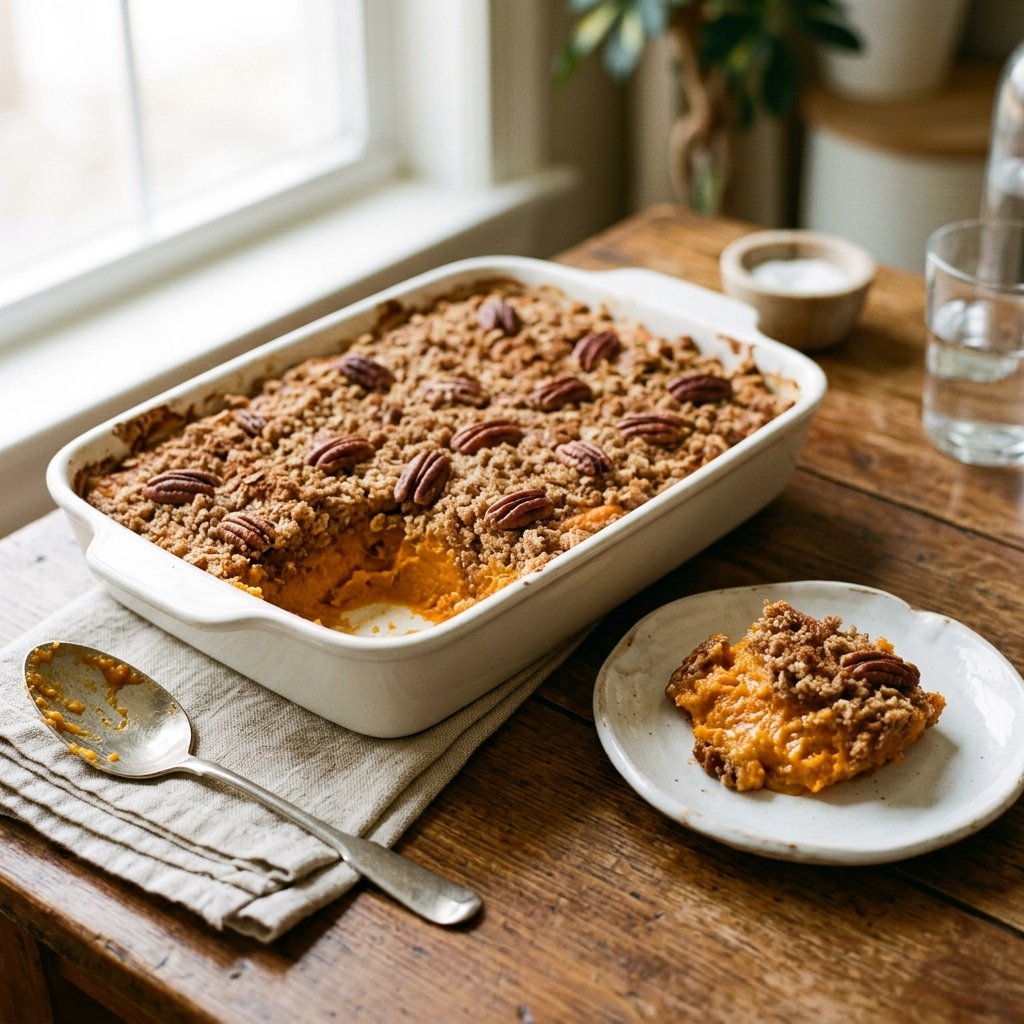
Sweet potato casserole is the dish that turns a holiday table into a celebration. The filling is smooth and creamy with a warm spice flavor, and the topping is a buttery, brown-sugar streusel with toasted pecans. It is sweet enough to feel like dessert but savory enough to sit beside the turkey without a conflict.
The trick is roasting the sweet potatoes instead of boiling them. Roasting concentrates the natural sugars and gives the filling a deeper, richer flavor. Boiling works in a pinch, but the filling will be thinner and less sweet. If you have the time, roast them.
One thing most recipe cards leave out is that the topping should be added in the last 15 minutes of baking, not at the beginning. If it goes in too early, the streusel burns before the filling is hot. Add it at the end and broil for the last 2 minutes to get the pecans toasted.
Prep: 20 minutes Cook: 40 minutes Total: 60 minutes Serves: 10 Difficulty: Easy
Ingredients
For the filling:
- 4 large sweet potatoes (about 3 pounds), roasted and peeled
- ½ cup unsalted butter, melted
- ½ cup granulated sugar
- ½ cup whole milk
- 2 large eggs
- 1 teaspoon vanilla extract
- 1 teaspoon cinnamon
- ½ teaspoon ground nutmeg
- ½ teaspoon salt
For the topping:
- 1 cup packed brown sugar
- ½ cup all-purpose flour
- ½ cup unsalted butter, cold and cubed
- 1 cup chopped pecans
- ½ teaspoon cinnamon
Instructions
Preheat the oven to 375°F. Roast the sweet potatoes for 45 to 50 minutes until they are soft and caramelized at the edges. Let them cool slightly, then peel and mash them in a large bowl.
Add the melted butter, sugar, milk, eggs, vanilla, cinnamon, nutmeg, and salt to the mashed sweet potatoes. Mix until smooth and well combined. Pour the filling into a greased 9×13-inch baking dish. Bake for 25 minutes.
While the filling bakes, make the topping. In a medium bowl, combine the brown sugar, flour, and cinnamon. Cut in the cold butter with a pastry blender or your fingers until the mixture resembles coarse crumbs. Stir in the chopped pecans.
Remove the casserole from the oven and sprinkle the topping evenly over the top. Return to the oven and bake for 15 more minutes until the topping is golden brown. Broil for the last 1 to 2 minutes to toast the pecans, watching closely. Let rest for 10 minutes before serving.
Tips & Things That Go Wrong
The filling can be too thin if the sweet potatoes are boiled instead of roasted. Roasting removes excess water and concentrates the flavor. The topping can burn if it is added too early. Add it in the last 15 minutes of baking. The topping can be too dry if the butter is not cold enough. Use cold butter and work quickly. The casserole can be made ahead and refrigerated before baking; add 10 minutes to the baking time if it goes in cold.
Substitutions
Use canned sweet potato puree in place of roasted sweet potatoes. Use walnuts or pecans, or a mix. For a dairy-free version, use plant milk and dairy-free butter. For a gluten-free version, use a gluten-free flour blend in the topping.
Storage & Reheating
This keeps in the refrigerator for 5 days. Reheat individual portions in the microwave or the whole dish in the oven at 350°F for 20 minutes. The topping softens after refrigeration but the flavor is still good. The casserole freezes well for up to 2 months; thaw overnight in the refrigerator and reheat in the oven.
Approximate Nutrition Per Serving: 420 calories, 5g protein, 54g carbs, 22g fat, 4g fiber
Add the streusel topping in the last 15 minutes of baking, not at the beginning. If it goes in too early, it burns before the filling is hot.
5. Dolly’s Irresistible Coleslaw
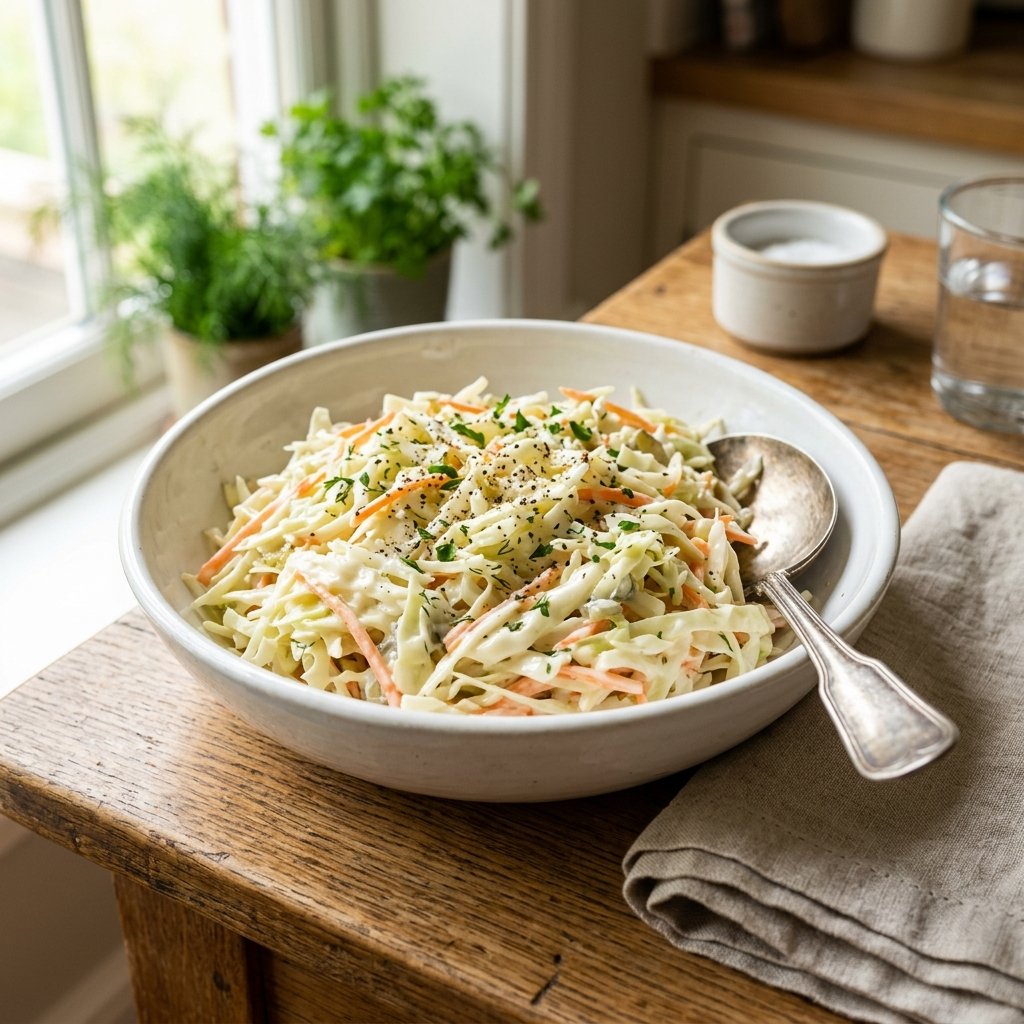
Coleslaw is the side dish that most people ignore and then quietly finish off the bowl. This version is different. It gets its tang from an unexpected ingredient: sweet pickle juice and chopped dill pickles. The result is a slaw that is creamy, crunchy, and just a little bit briny, the kind of thing that makes a pulled pork sandwich taste like a complete meal.
Here is the part I would not skip. The cabbage needs to be shredded fine and dried well. If the cabbage is wet, the dressing will slide off and the slaw will be watery. Use a food processor or a sharp knife to shred it, then pat it dry with paper towels or spin it in a salad spinner. This step makes the difference between good slaw and soggy slaw.
One thing most recipe cards leave out is that the slaw needs to sit for at least an hour before serving. The cabbage softens slightly and absorbs the dressing, and the flavors meld together. If you serve it immediately, it will taste flat. Give it an hour in the refrigerator and it becomes something worth eating.
Prep: 15 minutes Chill: 1 hour Total: 1 hour 15 minutes Serves: 8 Difficulty: Very easy
Ingredients
- 1 head green cabbage, shredded fine (about 8 cups)
- 2 large carrots, peeled and grated
- ½ cup mayonnaise
- ¼ cup sour cream
- 2 tablespoons sweet pickle juice
- 2 tablespoons apple cider vinegar
- 1 tablespoon granulated sugar
- 1 teaspoon salt
- ½ teaspoon black pepper
- ½ cup chopped dill pickles
Instructions
Shred the cabbage and grate the carrots. Pat the cabbage dry with paper towels or spin it in a salad spinner to remove excess moisture. In a large bowl, combine the shredded cabbage and grated carrots.
In a separate bowl, whisk together the mayonnaise, sour cream, pickle juice, apple cider vinegar, sugar, salt, and pepper. Pour the dressing over the cabbage and carrots and toss to coat evenly. Fold in the chopped dill pickles.
Cover and refrigerate for at least 1 hour before serving. The slaw will keep in the refrigerator for up to 3 days.
Tips & Things That Go Wrong
The slaw can be watery if the cabbage is not dried properly. Pat it dry or use a salad spinner. The dressing can be too thick if the cabbage is very dry. Add a splash more pickle juice or vinegar if needed. The slaw can be too sweet if the sugar is not balanced with enough acid. Taste the dressing before adding it to the cabbage and adjust. The dill pickles can make the slaw too salty if they are very briny. Taste and adjust the salt accordingly.
Substitutions
Use a bag of shredded coleslaw mix instead of shredding your own cabbage for a shortcut. Use red cabbage for a more colorful slaw. Use Greek yogurt instead of sour cream for a lighter dressing. Add celery seeds or grated onion for extra flavor.
Storage & Reheating
This keeps in the refrigerator for up to 3 days. The cabbage softens over time, so it is best on the first day but still good on the third. Do not freeze. Stir before serving to redistribute the dressing.
Approximate Nutrition Per Serving: 160 calories, 2g protein, 10g carbs, 13g fat, 3g fiber
Let the slaw sit for at least an hour before serving. The cabbage softens and absorbs the dressing, and the flavors meld together. Served immediately, it tastes flat.
Frequently Asked Questions About Southern Side Dishes
What makes Southern side dishes different from other regional sides?
Southern sides are built on a few core ingredients: cornmeal, buttermilk, sweet potatoes, and pork fat. They are designed to stretch a meal and feed a crowd, and they are often more interesting than the main dish. They are also rooted in a tradition of cooking with what is available and making it taste good.
Can I make these side dishes ahead of time?
Yes. The cornbread is best fresh but can be made a few hours ahead. The corn pudding and sweet potato casserole can be assembled a day in advance and baked before serving. The mashed potatoes can be made a day ahead and reheated gently with a splash of milk. The coleslaw is best made at least an hour ahead and can be made the day before.
Why is there no sugar in the cornbread?
Traditional Southern cornbread does not have sugar. Sugar is a modern addition that turns cornbread into something closer to cake. The savory version is the one that belongs beside a bowl of beans or a plate of greens. If you grew up with sweet cornbread, you can add a tablespoon or two of sugar, but try the savory version first.
What is the best way to reheat mashed potatoes without drying them out?
Reheat them in a saucepan over low heat with a splash of milk or cream, stirring gently until they are warm. The microwave works in a pinch but can make them dry. If you are reheating a large batch, add a pat of butter and a splash of milk before reheating.
Can I use frozen or canned vegetables in these recipes?
Yes. Frozen corn works perfectly in the corn pudding. Canned sweet potato puree works in the sweet potato casserole. Bagged coleslaw mix works in the coleslaw. The only recipe where fresh is strongly preferred is the cornbread, because the texture of the cornmeal matters.
Making Southern Side Dishes the Star of Your Table
The practical decision you have to make is which side dish deserves the spotlight at your next gathering. If you are feeding a holiday crowd, the sweet potato casserole and the corn pudding will hold their own beside any turkey. If you are planning a summer cookout, the coleslaw and the cornbread are the ones that disappear first.
If I had to point you to one recipe to start with, it would be the skillet cornbread. It takes 35 minutes, uses ingredients you probably already have, and it is the kind of thing that makes people ask for the recipe before they finish their first piece. Get the skillet hot, use coarse cornmeal, and do not add sugar. That is the whole trick.
Side dishes do not have to be an afterthought. With a little attention and the right technique, they can be the reason people come back to the table for seconds. These five recipes are proof that the supporting players can steal the show.