
The chicken breasts sitting in the refrigerator with no plan. The 6 p.m. panic when everyone is hungry and you have no idea what to cook. The meal that looks healthy on paper but leaves you hungry an hour later. High-protein dinners are the answer, but the gap between good intentions and actual dinner is where the struggle lives. You want something that satisfies, that actually keeps you full, that doesn’t take forever to make.
Most high-protein dinner advice falls into two camps. Either it is relentlessly boring, offering the same grilled chicken and steamed broccoli night after night, or it is so complicated that you need a culinary degree and a pantry full of specialty ingredients. The recipes that look good on food blogs often fail in real kitchens because they take too long, create too many dishes, or require techniques that home cooks do not have time to master. And the protein content is often an afterthought, tacked on to make the recipe fit a category rather than being a genuine feature.
These seven recipes solve specific problems. One is for the night when you need dinner in 20 minutes. One is for the meal that can be made ahead and reheated. One is for the family that loves bold flavors. One is for the budget-conscious cook who still wants quality. One is for the vegetarian who needs plant-based protein. Every recipe has a reason to exist beyond simply being another high-protein meal. They are built with real ingredients, real constraints, and real family expectations in mind. The protein is not an afterthought. It is the reason these recipes work.
1. 20-Minute Lemon Garlic Chicken Skillet
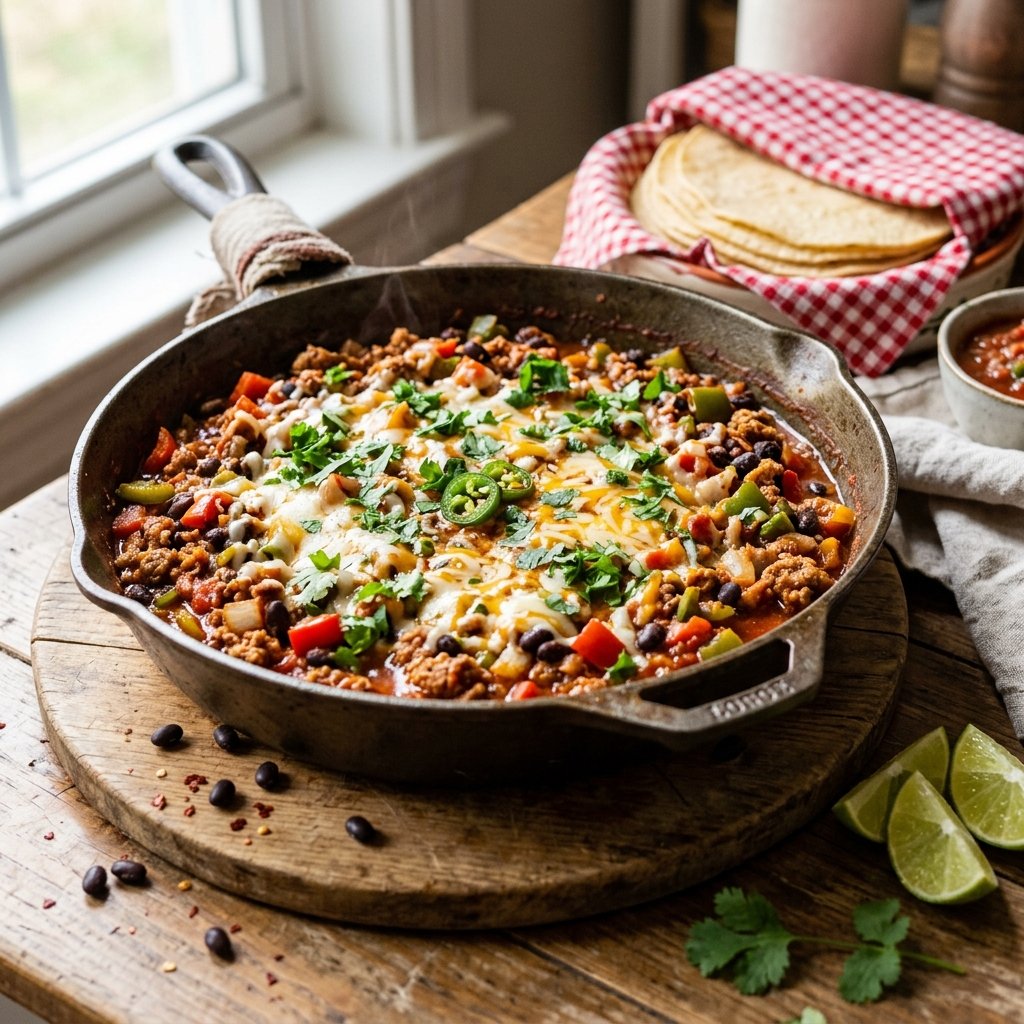
This is the dinner for the night when you have 20 minutes and a hungry family. The chicken cooks in a single skillet, developing a golden, crispy skin while staying juicy inside. The lemon garlic sauce comes together in the same pan, picking up all the browned bits from the chicken. The whole thing is bright, satisfying, and packed with protein.
Here is the part I would not skip. Pat the chicken completely dry before seasoning. Wet chicken will steam instead of brown, and you will miss the golden, crispy skin that makes this dish work. The browning is not just for appearance. It creates flavor that the sauce absorbs.
Prep: 5 minutes Cook: 15 minutes Total: 20 minutes Serves: 4 Difficulty: Easy
Ingredients
- 4 boneless skinless chicken thighs (or breasts, pounded to even thickness)
- 1 teaspoon salt
- ½ teaspoon black pepper
- 1 teaspoon garlic powder
- 1 teaspoon paprika
- 2 tablespoons olive oil
- 3 cloves garlic, minced
- ½ cup chicken broth
- 2 tablespoons fresh lemon juice
- 2 tablespoons butter
- Fresh parsley for garnish
Instructions
Pat the chicken dry with paper towels. Season both sides with salt, pepper, garlic powder, and paprika. Heat the olive oil in a large skillet over medium-high heat. Place the chicken in the skillet and cook for 6 to 7 minutes per side, until golden brown and cooked through. The internal temperature should reach 165°F. Remove the chicken to a plate and cover loosely with foil.
Reduce the heat to medium and add the garlic to the skillet. Cook for 30 seconds until fragrant. Add the chicken broth and lemon juice, scraping the bottom of the pan to release the browned bits. Bring to a simmer and cook for 2 to 3 minutes until the sauce thickens slightly. Whisk in the butter until melted. Return the chicken to the skillet and spoon the sauce over the top. Garnish with fresh parsley and serve immediately.
Tips & Things That Go Wrong
The chicken can stick to the pan if it is not dry. Pat it dry and make sure the oil is hot before adding the chicken. The sauce can be too thin if you do not simmer it long enough. Let it reduce slightly before adding the butter. The lemon can be overwhelming if you add too much. Start with less and adjust to taste.
Substitutions
Use chicken breasts instead of thighs, but pound them to even thickness for even cooking. Use vegetable broth instead of chicken broth. Use a dairy-free butter substitute for a dairy-free version.
Storage & Reheating
This keeps in the refrigerator for 3 days. Reheat gently in a skillet or microwave. The sauce may thicken, so add a splash of broth when reheating.
Approximate Nutrition Per Serving: 320 calories, 28g protein, 4g carbs, 20g fat, 1g fiber
Pat the chicken completely dry before seasoning. Wet chicken steams instead of browns. The crispy skin is the foundation of this dish.
2. One-Pan Turkey Taco Skillet
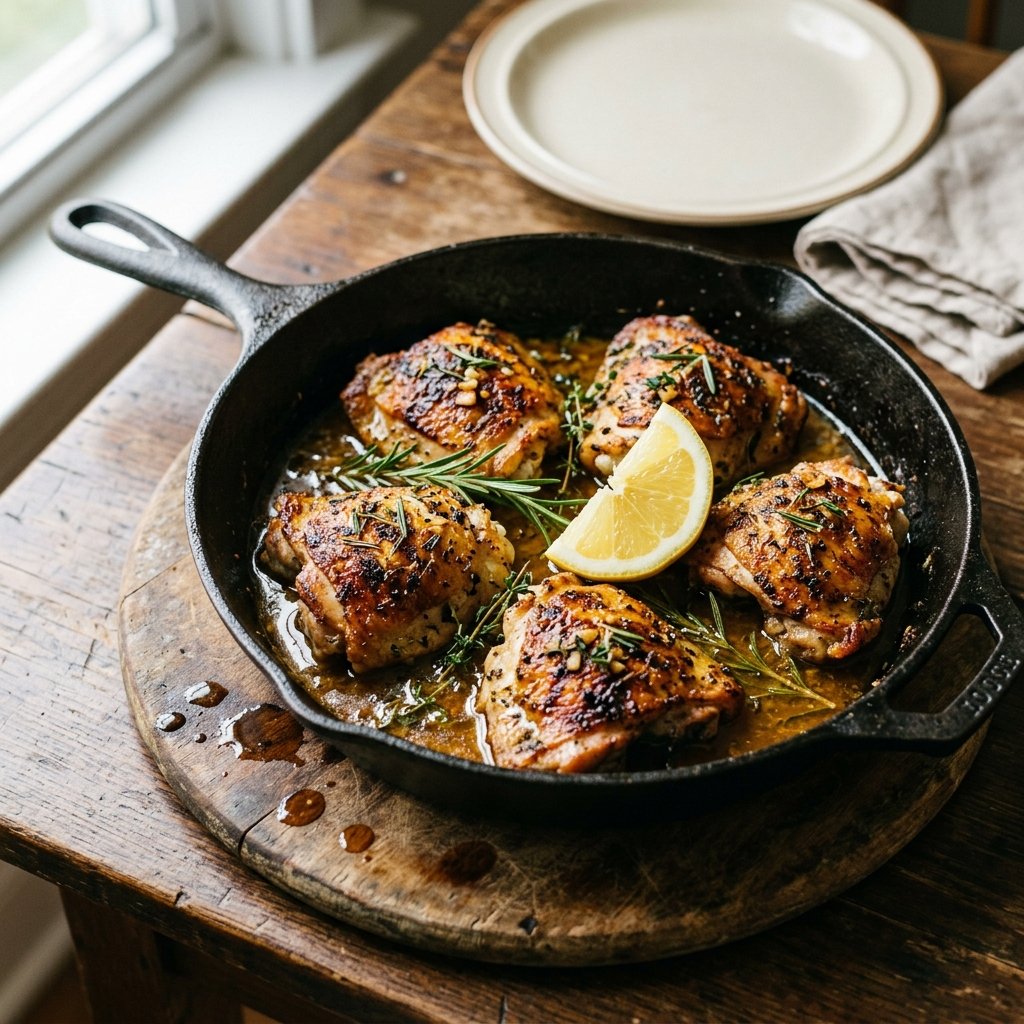
This is the dinner for the night when you want tacos but you do not want the mess of individual assembly. Everything cooks in one skillet. The turkey is seasoned with chili powder, cumin, and garlic. The vegetables add color and texture. The black beans add fiber and extra protein. And the cheese melts into the mixture, creating a creamy, satisfying sauce.
The version that actually works in a real kitchen is all about managing moisture. Ground turkey releases water as it cooks. If you do not cook off the liquid, the dish becomes watery and unappealing. Cook the turkey until it is browned and the liquid has evaporated before adding the vegetables. The texture should be thick and saucy, not runny.
Prep: 10 minutes Cook: 15 minutes Total: 25 minutes Serves: 4 Difficulty: Easy
Ingredients
- 1 ½ pounds ground turkey
- 1 tablespoon olive oil
- 1 onion, diced
- 1 bell pepper, diced
- 2 cloves garlic, minced
- 2 tablespoons chili powder
- 1 tablespoon cumin
- 1 teaspoon smoked paprika
- ½ teaspoon salt
- 1 can black beans, drained and rinsed
- 1 cup salsa or crushed tomatoes
- 1 cup shredded cheese
- Fresh cilantro and lime wedges for serving
Instructions
Heat the olive oil in a large skillet over medium-high heat. Add the ground turkey and cook for 6 to 8 minutes, breaking it up with a spoon, until browned and cooked through. The liquid released by the turkey should cook off. If there is excess liquid, drain it. Add the onion, bell pepper, and garlic and cook for 4 to 5 minutes until softened.
Add the chili powder, cumin, paprika, and salt and cook for 1 minute. Add the black beans and salsa and bring to a simmer. Cook for 5 minutes until the mixture is thick and saucy. Sprinkle the cheese over the top and let it melt. Garnish with cilantro and serve with lime wedges.
Tips & Things That Go Wrong
The turkey can release a lot of water. Cook it until the liquid evaporates and the meat starts to brown. A watery mixture will make the dish unappetizing. The spices can burn if they are added too early. Add them after the vegetables have softened.
Do not add the cheese too early. It should melt into the hot mixture just before serving.
Substitutions
Use ground chicken or beef instead of turkey. Use pinto beans instead of black beans. For a dairy-free version, skip the cheese or use a dairy-free substitute.
Storage & Reheating
This keeps in the refrigerator for 3 days and freezes well for up to 2 months. Reheat in a skillet or microwave. The flavors improve overnight.
Approximate Nutrition Per Serving: 380 calories, 32g protein, 18g carbs, 20g fat, 6g fiber
Cook the turkey until the liquid evaporates and the meat starts to brown. A dry pan is the key to a flavorful, thick sauce.
3. 30-Minute Teriyaki Salmon With Vegetables
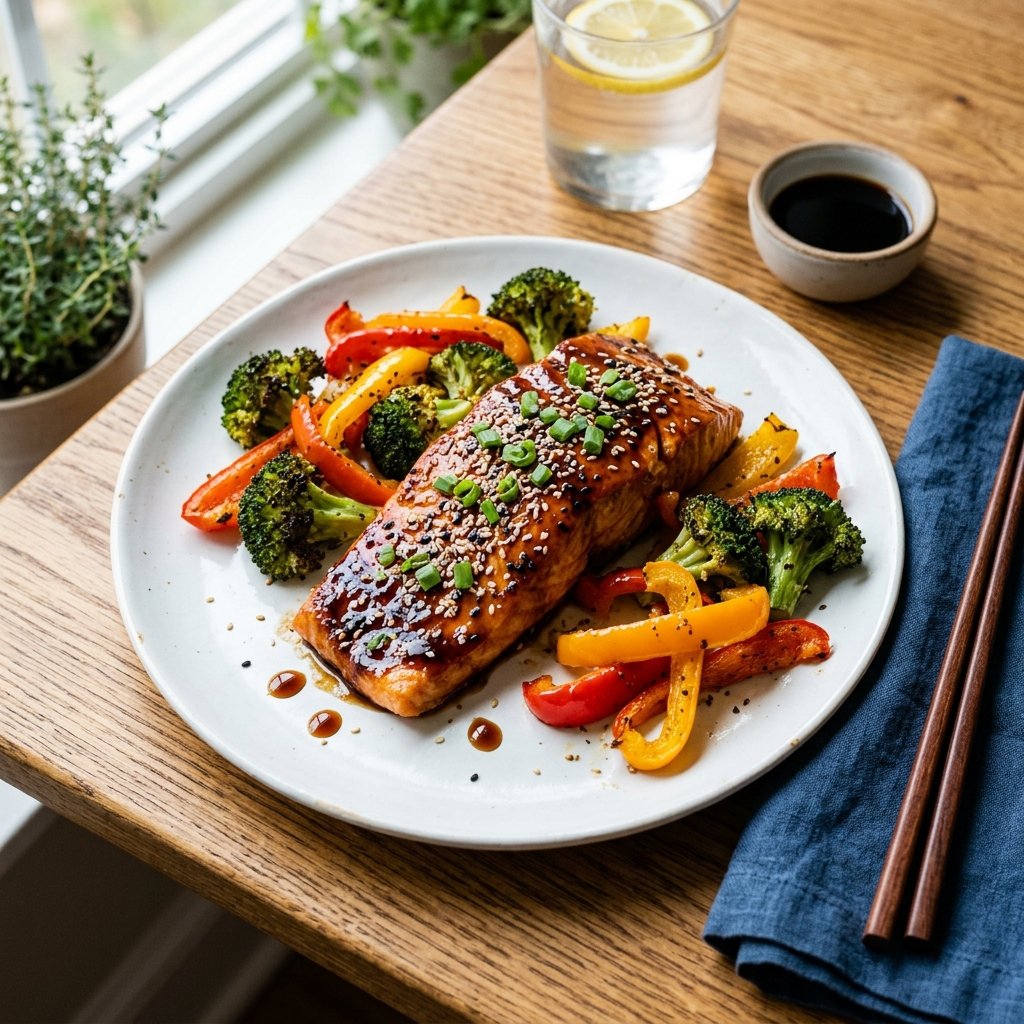
Salmon is one of the best sources of protein and healthy fats, but it can be boring if you cook it the same way every time. This teriyaki version is quick, flavorful, and impressive enough for a weeknight dinner. The sauce is sweet and savory, and it caramelizes on the surface of the fish as it cooks.
One thing most recipe cards leave out is that the salmon needs to be patted dry before cooking. Wet salmon will steam instead of sear, and you will miss the caramelized glaze that makes this dish special. Dry the salmon thoroughly and cook it skin-side down first for the best texture.
Prep: 10 minutes Cook: 15 minutes Total: 25 minutes Serves: 4 Difficulty: Easy to medium
Ingredients
- 4 salmon fillets (6 ounces each)
- Salt and pepper
- 2 tablespoons olive oil
- ¼ cup soy sauce or tamari
- 2 tablespoons honey or maple syrup
- 2 cloves garlic, minced
- 1 teaspoon grated ginger
- 1 teaspoon cornstarch mixed with 2 tablespoons water
- 1 head broccoli, cut into florets
- 1 red bell pepper, sliced
- Sesame seeds and green onions for garnish
Instructions
Preheat the oven to 400°F. Toss the broccoli and bell pepper with 1 tablespoon of olive oil and spread on a baking sheet. Roast for 12 to 15 minutes until tender and slightly charred. While the vegetables are roasting, pat the salmon dry and season with salt and pepper. Heat the remaining olive oil in a large skillet over medium-high heat. Place the salmon skin-side down and cook for 4 to 5 minutes until golden. Flip and cook for 3 to 4 minutes more until the salmon is cooked through.
In a small bowl, whisk together the soy sauce, honey, garlic, and ginger. Remove the salmon from the skillet and pour the sauce into the skillet. Bring to a simmer and cook for 2 minutes. Add the cornstarch mixture and cook until the sauce thickens. Return the salmon to the skillet and spoon the sauce over the top. Serve with the roasted vegetables and garnish with sesame seeds and green onions.
Tips & Things That Go Wrong
The salmon can stick to the pan if it is not dry. Pat it dry and make sure the oil is hot. The sauce can burn if the heat is too high. Reduce the heat when adding the sauce. The vegetables can be roasted ahead of time and reheated.
Substitutions
Use chicken or tofu instead of salmon. Use coconut aminos instead of soy sauce for a gluten-free option. Use any vegetables you have on hand.
Storage & Reheating
This keeps in the refrigerator for 3 days. Reheat gently in a skillet or microwave. The salmon is best eaten fresh.
Approximate Nutrition Per Serving: 420 calories, 35g protein, 18g carbs, 24g fat, 4g fiber
Pat the salmon completely dry before cooking. Wet salmon steams instead of sears, and you will miss the caramelized glaze.
4. Sheet Pan Chicken Sausage and Veggies
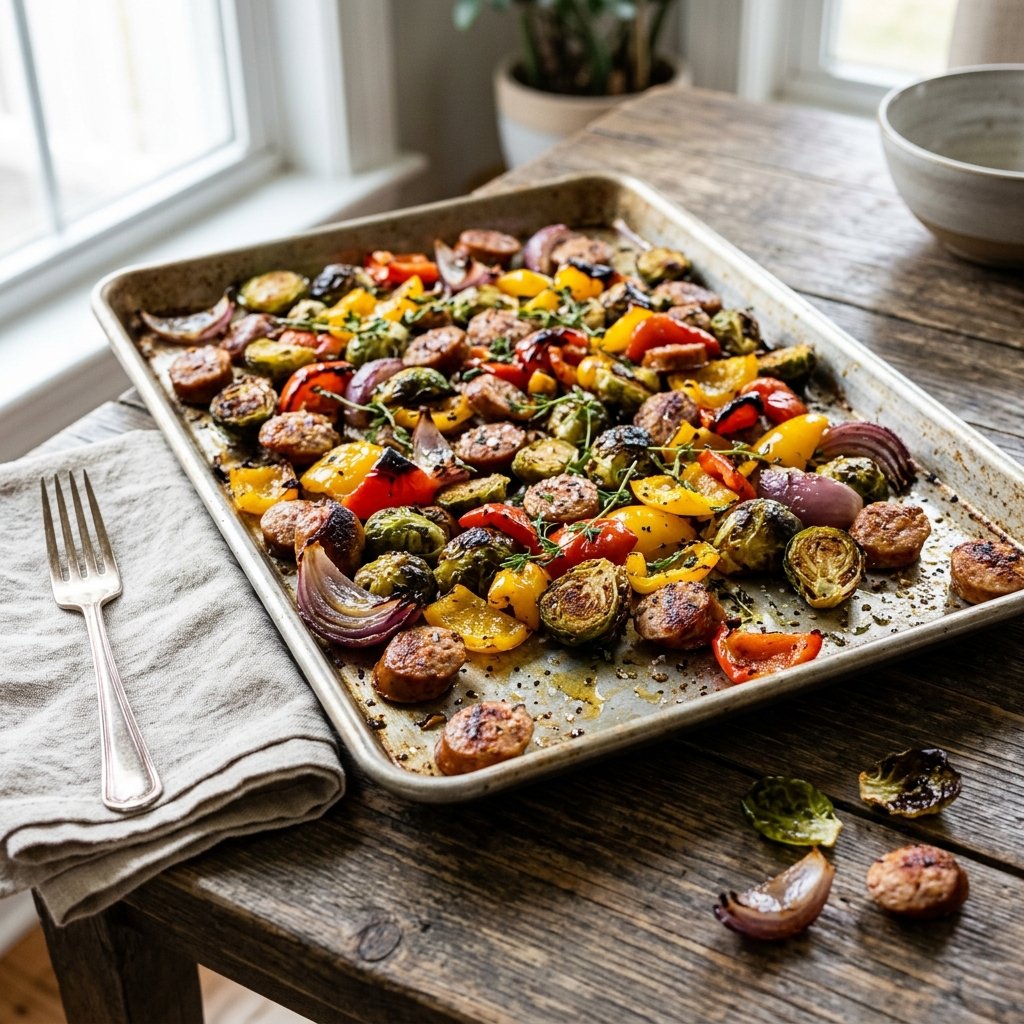
This is the dinner for the night when you want something hearty but you do not want to stand over a stove. Everything cooks on one baking sheet. The chicken sausage is already cooked, so it just needs to brown and heat through. The vegetables roast until they are caramelized and tender. The whole thing is satisfying, colorful, and packed with protein.
The trick is cutting everything to the same size. If the vegetables are too large, they will not cook through. If they are too small, they will burn. Aim for uniform pieces so everything finishes at the same time. The Brussels sprouts need to be halved or quartered, and the sausage should be sliced into bite-sized pieces.
Prep: 10 minutes Cook: 25 minutes Total: 35 minutes Serves: 4 Difficulty: Easy
Ingredients
- 1 ½ pounds chicken sausage, sliced
- 1 pound Brussels sprouts, halved
- 1 red bell pepper, sliced
- 1 yellow bell pepper, sliced
- 1 red onion, sliced
- 2 tablespoons olive oil
- 1 teaspoon salt
- ½ teaspoon black pepper
- 1 teaspoon garlic powder
- 1 teaspoon dried oregano
Instructions
Preheat the oven to 425°F. In a large bowl, combine the sausage, Brussels sprouts, bell peppers, and onion. Drizzle with olive oil and season with salt, pepper, garlic powder, and oregano. Toss to coat evenly. Spread the mixture in a single layer on a baking sheet. Roast for 20 to 25 minutes, stirring halfway through, until the vegetables are tender and charred and the sausage is browned. Serve immediately.
Tips & Things That Go Wrong
The vegetables can be unevenly cooked if they are not cut to the same size. Keep the pieces uniform. The sheet pan can overcrowd if you use too much food. Leave space between the pieces for air to circulate. If the pan is overcrowded, the vegetables will steam instead of roast.
Substitutions
Use any sausage you like. Use any vegetables you have on hand. Broccoli, cauliflower, or asparagus all work well. For a vegetarian version, use tofu or tempeh.
Storage & Reheating
This keeps in the refrigerator for 3 days and freezes well for up to 2 months. Reheat in the oven or toaster oven for the best texture.
Approximate Nutrition Per Serving: 390 calories, 28g protein, 22g carbs, 22g fat, 6g fiber
Cut everything to the same size. Uniform pieces cook evenly and finish at the same time.
5. 15-Minute Beef and Broccoli Stir-Fry
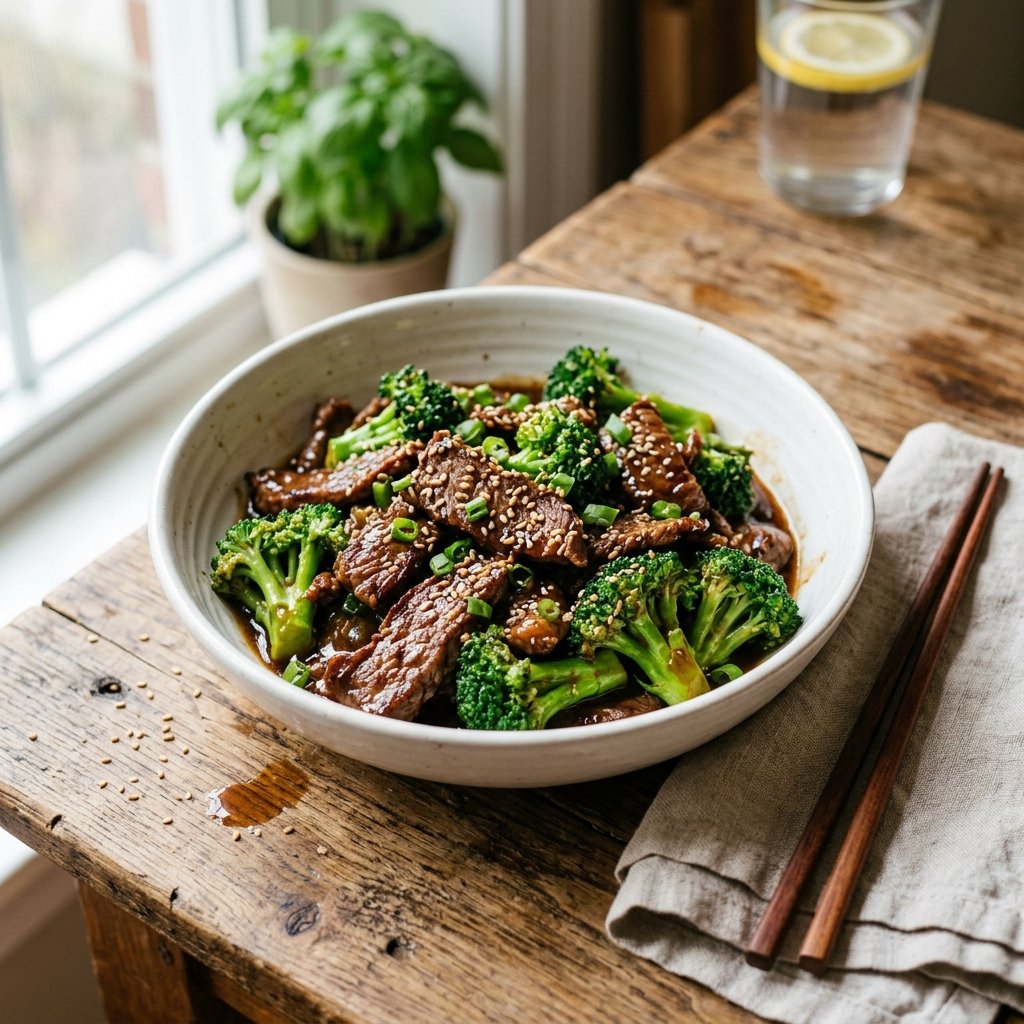
Prep: 10 minutes Cook: 10 minutes Total: 20 minutes Serves: 4 Difficulty: Easy to medium
Ingredients
- 1 ½ pounds flank steak, thinly sliced against the grain
- 3 tablespoons soy sauce
- 2 tablespoons brown sugar or honey
- 2 cloves garlic, minced
- 1 teaspoon grated ginger
- 1 tablespoon cornstarch
- ¼ cup water
- 2 tablespoons vegetable oil
- 1 head broccoli, cut into florets
Instructions
In a small bowl, whisk together the soy sauce, brown sugar, garlic, ginger, cornstarch, and water. Set aside. Heat the vegetable oil in a wok or large skillet over high heat. Add the beef in a single layer and cook for 2 to 3 minutes without stirring to allow it to brown. Stir and cook for 2 to 3 minutes more until browned. Remove the beef to a plate.
Add the broccoli to the skillet and cook for 2 to 3 minutes until bright green and crisp-tender. Add the sauce to the skillet and cook for 1 to 2 minutes until thickened. Return the beef to the skillet and toss to coat. Serve immediately over rice or cauliflower rice.
Tips & Things That Go Wrong
The beef can be tough if it is sliced incorrectly. Slice thinly against the grain. The broccoli can be overcooked if you add it too early. Add it just before the sauce so it stays crisp-tender. The sauce can be too thick if you add too much cornstarch. Add the cornstarch mixture gradually and adjust to the desired consistency.
Substitutions
Use chicken, pork, or tofu instead of beef. Use coconut aminos instead of soy sauce. Use any vegetables you have on hand.
Storage & Reheating
This keeps in the refrigerator for 3 days. Reheat in a skillet or microwave. The sauce may thicken, so add a splash of water when reheating.
Approximate Nutrition Per Serving: 340 calories, 32g protein, 14g carbs, 18g fat, 3g fiber
Slice the beef thinly against the grain. This is the key to tender, quick-cooking beef.
6. Hearty Lentil and Vegetable Soup
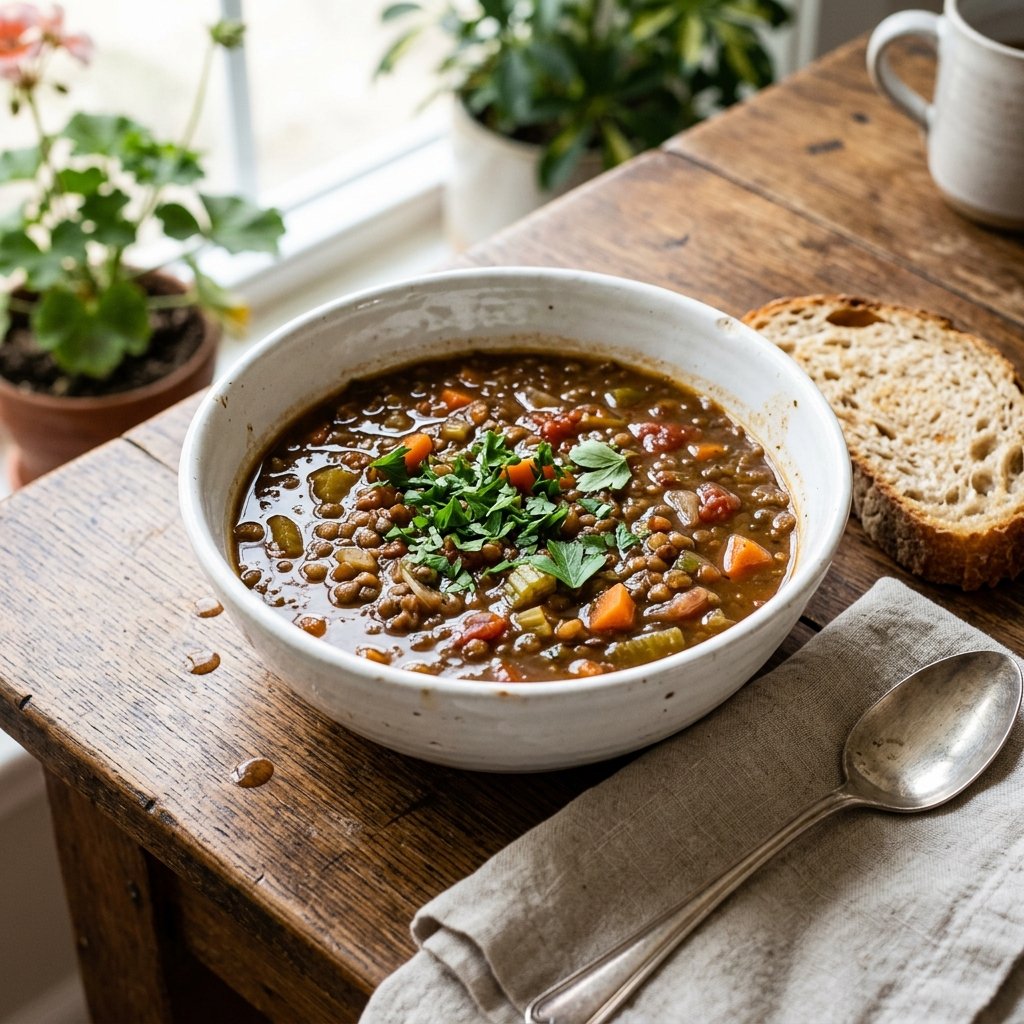
Lentils are one of the most protein-packed plant foods, and they are also one of the most affordable. This soup is hearty, satisfying, and full of flavor. The vegetables add sweetness and texture. The broth is rich and deeply savory. And the lentils cook in about 30 minutes, making this a realistic weeknight dinner.
The trick is cooking the lentils until they are tender but still hold their shape. Overcooked lentils become mushy and lose their texture. Brown or green lentils are the best choice here. Red lentils cook more quickly but break down into a puree, which is not ideal for a soup with texture.
Prep: 10 minutes Cook: 35 minutes Total: 45 minutes Serves: 6 Difficulty: Easy
Ingredients
- 2 tablespoons olive oil
- 1 onion, diced
- 2 carrots, diced
- 2 celery stalks, diced
- 3 cloves garlic, minced
- 1 ½ cups brown or green lentils, rinsed
- 6 cups vegetable broth
- 1 can crushed tomatoes
- 2 teaspoons dried oregano
- 1 teaspoon smoked paprika
- 1 teaspoon salt
- ½ teaspoon black pepper
- Fresh parsley for garnish
Instructions
Heat the olive oil in a large pot over medium heat. Add the onion, carrots, and celery and cook for 6 to 8 minutes until softened. Add the garlic and cook for 1 minute. Add the lentils, broth, tomatoes, oregano, paprika, salt, and pepper. Bring to a boil, then reduce the heat and simmer for 30 to 35 minutes until the lentils are tender. Taste and adjust the seasoning. Garnish with fresh parsley and serve.
Tips & Things That Go Wrong
The lentils can become mushy if they are overcooked. Cook them until they are tender but still hold their shape. The broth can be too thin if you add too much liquid. Simmer the soup uncovered for the last 10 minutes to thicken it.
Substitutions
Use any lentils you have on hand. Use chicken broth instead of vegetable broth. Add spinach or kale in the last 5 minutes for extra greens.
Storage & Reheating
This keeps in the refrigerator for 5 days and freezes well for up to 3 months. The flavors improve overnight.
Approximate Nutrition Per Serving: 280 calories, 16g protein, 38g carbs, 8g fat, 12g fiber
Cook the lentils until they are tender but still hold their shape. Overcooked lentils become mushy and lose their texture.
7. Cheddar and Broccoli Stuffed Chicken Breasts
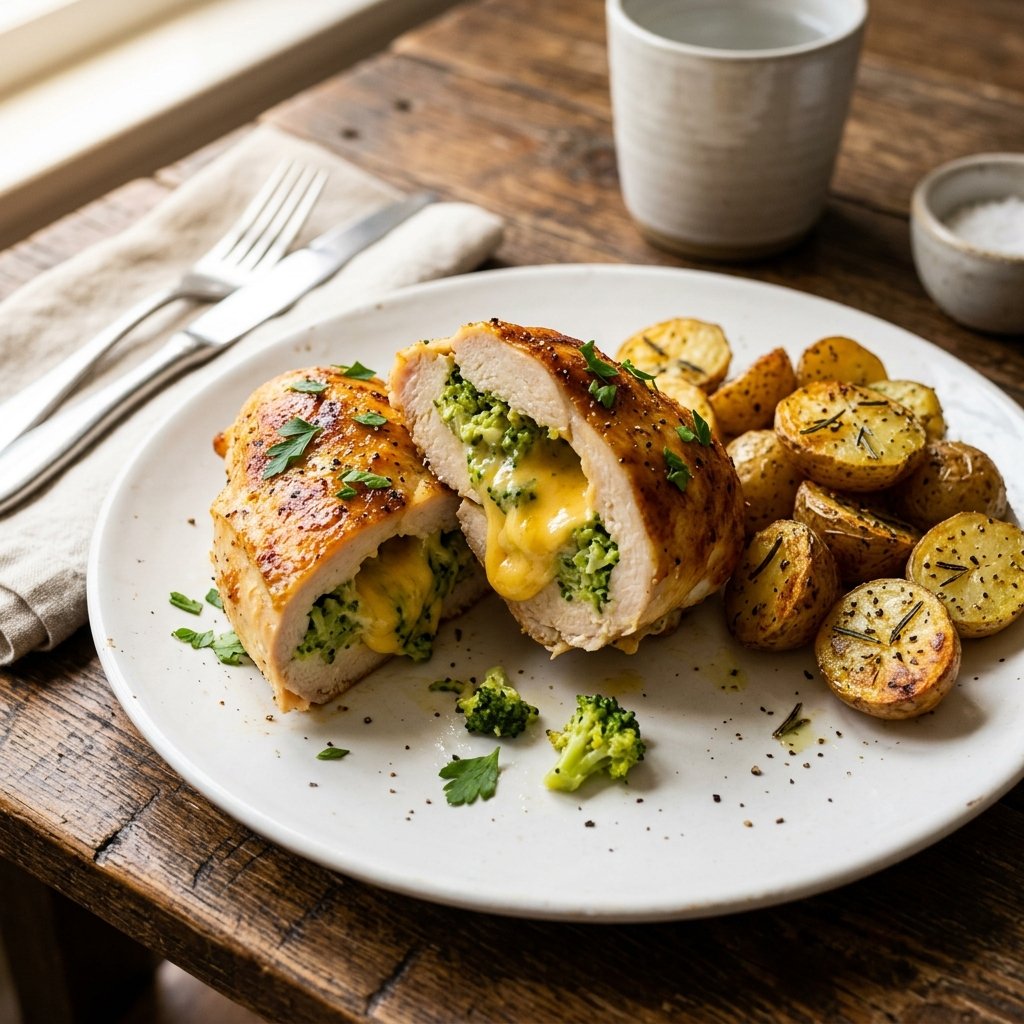
This is the dinner for the night when you want something that feels impressive but is actually simple to make. The chicken is stuffed with a creamy cheddar and broccoli filling that melts into the meat as it cooks. The outside gets golden and crisp. The inside stays juicy and flavorful. It is comfort food with a protein boost.
The trick is cutting the pocket in the chicken breast without going all the way through. Use a sharp knife and cut horizontally, stopping about ½ inch from the edge. If you cut all the way through, the filling will leak out during cooking. A well-cut pocket holds the filling securely.
Prep: 15 minutes Cook: 25 minutes Total: 40 minutes Serves: 4 Difficulty: Medium
Ingredients
- 4 boneless skinless chicken breasts
- 1 cup shredded cheddar cheese
- 1 cup finely chopped broccoli florets
- 4 ounces cream cheese, softened
- ½ teaspoon garlic powder
- ½ teaspoon salt
- ¼ teaspoon black pepper
- 2 tablespoons olive oil
- 1 teaspoon paprika
Instructions
Preheat the oven to 375°F. In a bowl, combine the cheddar, broccoli, cream cheese, garlic powder, salt, and pepper. Mix until well combined. Cut a pocket in each chicken breast by slicing horizontally, stopping about ½ inch from the edge. Stuff each pocket with the broccoli cheese mixture. Secure with toothpicks if needed.
Season the outside of the chicken with salt, pepper, and paprika. Heat the olive oil in an oven-safe skillet over medium-high heat. Add the chicken and cook for 4 to 5 minutes per side until golden. Transfer the skillet to the oven and bake for 15 to 18 minutes until the chicken is cooked through. Let rest for 5 minutes before serving.
Tips & Things That Go Wrong
The filling can leak out if the pocket is cut too deep. Cut carefully and leave a generous border. The chicken can dry out if it is overcooked. Use a meat thermometer and pull it when the center reaches 165°F. The broccoli should be finely chopped so it fits into the pocket and cooks through.
Substitutions
Use any cheese you like. Mozzarella, provolone, or pepper jack all work well. Use spinach instead of broccoli. For a dairy-free version, use dairy-free cheese and cream cheese.
Storage & Reheating
This keeps in the refrigerator for 3 days. Reheat in a skillet or toaster oven for the best texture. The microwave can make the breading soft.
Approximate Nutrition Per Serving: 400 calories, 38g protein, 8g carbs, 24g fat, 2g fiber
Cut the pocket carefully, stopping about ½ inch from the edge. A well-cut pocket holds the filling securely and prevents leaks.
Frequently Asked Questions About High-Protein Dinners
How much protein should I aim for in a dinner?
Aim for 25 to 40 grams of protein per serving for a satisfying dinner. This amount supports muscle maintenance, keeps you full, and helps balance blood sugar. The recipes in this article range from 28 to 38 grams of protein per serving.
Can I make these recipes ahead of time?
Most of these recipes are suitable for meal prep. The Lentil Soup and One-Pan Turkey Taco Skillet are excellent for making ahead. The Sheet Pan Chicken Sausage and Veggies reheats well. The stuffed chicken is best fresh but can be prepped ahead and baked just before serving.
What are the best protein sources for quick dinners?
Chicken thighs, ground turkey, salmon, flank steak, and lentils are all excellent choices for quick dinners. They cook quickly, absorb flavors well, and are widely available. Canned beans and pre-cooked sausage are also good options for even faster meals.
How do I keep chicken from drying out?
Cook chicken to 165°F and no higher. Use a meat thermometer for accuracy. Let it rest for 5 minutes before slicing to allow the juices to redistribute. Bone-in, skin-on chicken stays moister than boneless, skinless, but both work if you are careful with cooking time.
Can I double these recipes for a crowd?
Yes, most of these recipes scale well. The sheet pan dinner and the soup are particularly easy to double. The skillet meals can be made in batches or in a larger pan. The stuffed chicken requires more time but can be made in larger quantities.
Making High-Protein Dinners Work in Your Kitchen
The most important decision you will make is not which recipe to try first. It is how you approach your week. High-protein dinners do not have to be complicated. They just need to be intentional. A little planning goes a long way. Know what you are making before you start cooking. Prep ingredients ahead of time when possible. And keep it simple.
If I had to recommend a starting point, I would say start with the 20-Minute Lemon Garlic Chicken Skillet. It is the most forgiving and the most adaptable. The technique is simple, the ingredients are accessible, and the result is impressive enough to make you feel like a good cook. From there, branch out to the recipe that fits your particular need.
High-protein dinners are the foundation of a satisfying meal plan. They keep you full. They support your energy. They taste good. And they are achievable in a real kitchen with real constraints. That is a powerful thing to have in your weekly rotation.